

The Environment Needs Our Action
Australia is confronted with a variety of environmental issues such as waste management, water scarcity, deforestation and climate change. However, every obstacle can be transformed, into a chance for constructive change, with awareness and teamwork.
In Australia, some obvious indicators of climate change, include rising temperatures, erratic weather and catastrophes like floods and bushfires. Ecosystems, agriculture and human health, are all at risk from these changes.
Solution: Reducing greenhouse gases through the use of renewable energy sources, electric powered transportation, and energy efficient buildings, is critical. Supporting forestry projects and reducing our dependency, on fossil fuels can also help to restore climate equilibrium.
Every year, Australia generates millions of tonnes of rubbish, the majority of which ends up in landfills or in our oceans. Especially, plastic pollution can have a devastating impact, on marine life and soil health.
Solution: Encourage recycling, composting and decreased packaging. Choosing reusable goods, promoting waste free establishments and imposing stricter waste policies can all help turn the tide on pollution.
The clearing of land for urban development and farming has led to significant habitat loss and a drop in biodiversity. Even Australia’s remarkable species, such as koalas and native birds, are facing greater risks of extinction because of these changes.
Solution: Protecting our forests through replanting programmes, sustainable farming, and conservation laws, allows animals to thrive. Supporting native plants and stopping land degradation play a crucial role in bringing back vital ecosystems.
Many Australian regions are experiencing water shortages as demand rises and rainfall patterns shift. Droughts don’t just affect communities, but also impact agriculture and ecosystems.
Solution: Adopting water saving habits, such as effective irrigation and rainwater collection, can make a difference. Governments and communities are also making investments in desalination, wastewater recycling, and catchment protection.
Do you have a Better Idea?
If you feel you have better or more innovative solution to the natural issues that all Australian are facing, we’d like to hear about it. Fill out the form below and send us your idea. We’ll reach out to you.
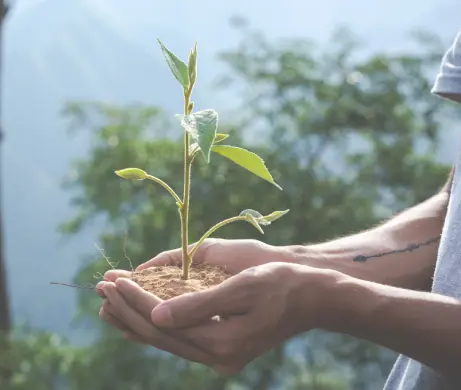
"Small deeds can change the world when they are multiplied by millions of people."
Energy and Ecosystems: Powering a Balanced Future
In Australia, some obvious indicators of climate change, include rising temperatures, erratic weather and catastrophes like floods and bushfires. Ecosystems, agriculture and human health, are all at risk from these changes.
Solution: Reducing greenhouse gases through the use of renewable energy sources, electric powered transportation, and energy efficient buildings, is critical. Supporting forestry projects and reducing our dependency, on fossil fuels can also help to restore climate equilibrium.
Every year, Australia generates millions of tonnes of rubbish, the majority of which ends up in landfills or in our oceans. Especially, plastic pollution can have a devastating impact, on marine life and soil health.
Solution: Encourage recycling, composting and decreased packaging. Choosing reusable goods, promoting waste free establishments and imposing stricter waste policies can all help turn the tide on pollution.
The clearing of land for urban development and farming has led to significant habitat loss and a drop in biodiversity. Even Australia’s remarkable species, such as koalas and native birds, are facing greater risks of extinction because of these changes.
Solution: Protecting our forests through replanting programmes, sustainable farming, and conservation laws, allows animals to thrive. Supporting native plants and stopping land degradation play a crucial role in bringing back vital ecosystems.
Many Australian regions are experiencing water shortages as demand rises and rainfall patterns shift. Droughts don’t just affect communities, but also impact agriculture and ecosystems.
Solution: Adopting water saving habits, such as effective irrigation and rainwater collection, can make a difference. Governments and communities are also making investments in desalination, wastewater recycling, and catchment protection.